Your Wallet, Your Business: A 2025 Guide to Keeping Crypto Financial Data Private (and Legal)
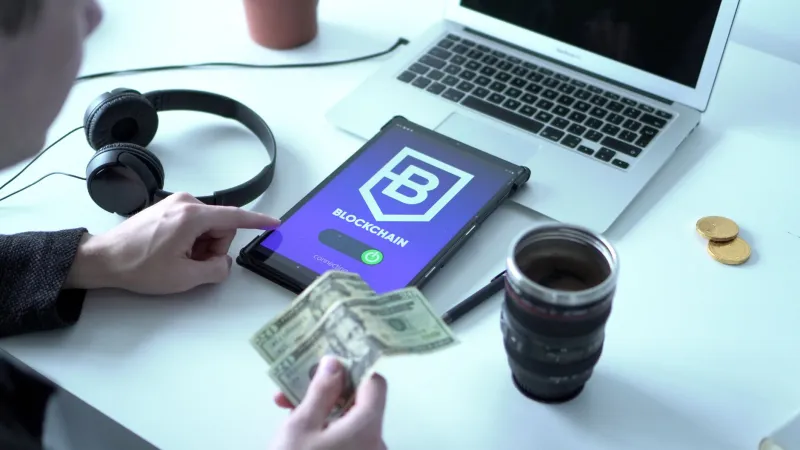
Let's be honest with each other for a minute. You wouldn't tape your checking account statement to a lamppost downtown, but every time you swipe a card or move crypto through a KYC'd exchange, you're doing something pretty close to that. The difference is that the lamppost version is obvious, and the digital version gets quietly bundled, sold, and resold by data brokers you've never heard of.
Here at CannaHome Dispatch, we think financial privacy isn't a fringe position — it's a basic expectation. And the good news? You can protect yours in 2025 without breaking a single law.
Why Your Transaction History Is a Product
Financial surveillance isn't some paranoid hypothetical. Data brokers legally purchase and package spending patterns, and blockchain analytics firms have built entire business models around de-anonymizing on-chain activity. Your crypto wallet address, unlike a bank account, is public by design. Anyone who links it to your identity — through an exchange withdrawal, a public tip, a compromised database — can trace every move you've made, forever.
That's the real problem: permanence. A credit card purchase ages out. A blockchain record doesn't.
The Legal Landscape, Minus the Panic
First, the part nobody wants to hear: privacy is legal in the United States. What's not legal is evading taxes or laundering money, and the confusion between "privacy" and "evasion" is where most of the regulatory heat comes from.
A few things worth knowing:
- Mixers occupy murky territory. The US Treasury sanctioned Tornado Cash in 2022 (a move that faced significant legal pushback, including a Fifth Circuit ruling in 2024 that the immutable smart contracts themselves couldn't be sanctioned the way they were). Using a mixer isn't automatically a crime, but it will absolutely get your funds flagged by exchanges, and the burden of explanation falls on you. For most law-abiding users, the reputational cost outweighs the benefit.
- Privacy coins like Monero face exchange pressure. Several major US platforms delisted privacy coins under regulatory pressure, but owning them isn't illegal. You'll need solid records to prove your cost basis and report gains correctly.
- Reporting is not optional. Form 8949, the FBAR if you hold accounts overseas, and the evolving crypto question on your 1040 — these apply whether your transactions are private or not. The cleanest privacy strategy is one where your tax filings match reality exactly.
Practical Steps That Don't Create Legal Exposure
So what actually works? More than you'd think.
Separate your addresses. Don't reuse a single wallet across every exchange, dApp, and purchase. Address reuse is the number one way analysts link your activity. Treat wallets like email accounts — compartmentalize by purpose.
Use self-custody deliberately. Moving long-term holdings off exchanges to a hardware wallet isn't just about security; it's about reducing the number of companies holding KYC-linked data about your positions. Just remember: self-custody doesn't erase your tax obligations, and exchanges report your deposits and withdrawals regardless.
Be careful with on-chain identity. That ENS name you bought? It's a permanent, public link between your identity and every transaction from that address. Decide consciously how much you want linked.
Mind your metadata. IP addresses get logged by nodes and services constantly. A reputable VPN or Tor for wallet management (never for exchange logins tied to your identity — that just correlates your identity with Tor use) reduces passive collection.
The Bottom Line
Privacy and compliance aren't enemies. The most privacy-respecting thing you can do is simple: keep immaculate records, report everything accurately, and minimize how much data exists about you in the first place. Nobody — not a broker, not a marketer, not a hacker who breaches an exchange — needs to know your full financial life.
Stay anonymous. Stay informed. Stay free. And stay on the right side of the ledger.